Hernia: Types, Symptoms and Modern Surgical Treatment
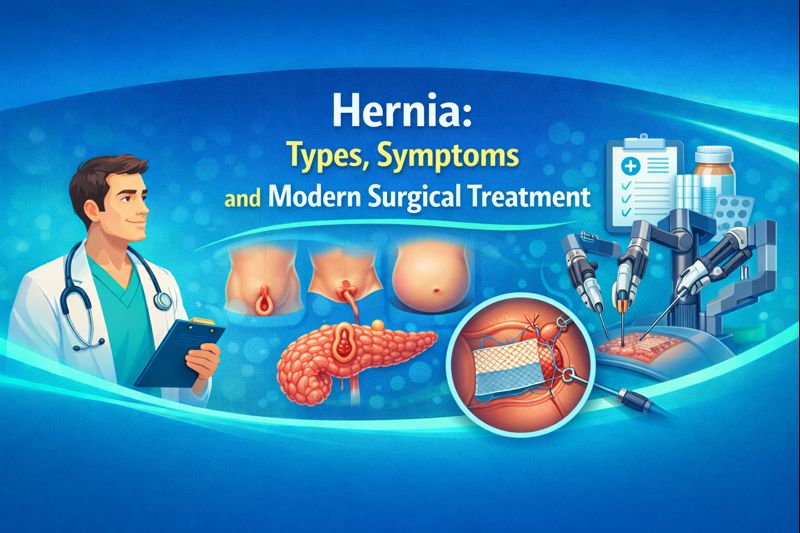
Hernia: Types, Symptoms and Modern Surgical Treatment Gastroenterology A hernia occurs when an internal organ pushes through a weak spot in the abdominal wall. Hernias do not heal on their own and usually require surgery. Common Types of Hernia Inguinal hernia Umbilical hernia Incisional hernia Ventral hernia Symptoms of Hernia Bulge in the abdomen or groin Pain on coughing or lifting Discomfort after prolonged standing When Is Hernia Surgery Necessary? Increasing pain Increasing size Obstruction or strangulation (emergency) Laparoscopic Hernia Surgery Smaller incisions Less pain Faster recovery Lower recurrence in experienced hands Open vs Laparoscopic Surgery The choice depends on: Type of hernia Previous surgeries Patient fitness Dr Nikhil Nanjappa is experienced in advanced laparoscopic hernia surgery in Mysore, including complex and recurrent hernias.
Pancreatitis: Causes, Symptoms and Long-Term Management
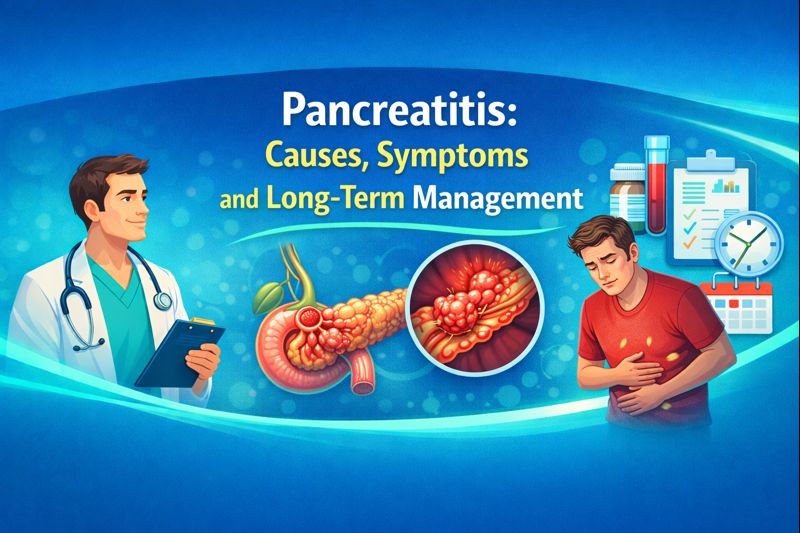
Pancreatitis: Causes, Symptoms and Long-Term Management Gastroenterology Pancreatitis is inflammation of the pancreas and can be acute or chronic. It requires timely treatment to prevent serious complications. What Is Pancreatitis? Severe upper abdominal pain Pain radiating to the back Vomiting and nausea Fever Loss of appetite Common Causes Alcohol consumption Gallstones High triglycerides Certain medications Acute vs Chronic Pancreatitis Acute pancreatitis Sudden onset Often reversible Chronic pancreatitis Long-standing inflammation Leads to diabetes and digestive problems How Is Pancreatitis Diagnosed? Blood tests (amylase, lipase) Ultrasound or CT scan Endoscopic evaluation when required Treatment Approach Hospitalisation for acute attacks Pain control and nutritional support Treating underlying causes Surgical intervention in selected cases Early consultation with a gastroenterologist in Mysore can prevent recurrent pancreatitis and long-term damage.
Constipation: Causes, Home Remedies and When to Seek Help
Constipation: Causes, Home Remedies and When to Seek Help Gastroenterology Constipation is common but often ignored. Causes Low fibre intake Poor hydration Sedentary lifestyle Home Measures Increase fibre and fluids Regular exercise When to See a Doctor Long-standing constipation Blood in stools Weight loss A gastroenterologist in Mysore can identify underlying causes and prevent complications.
IBS vs IBD: How to Tell the Difference
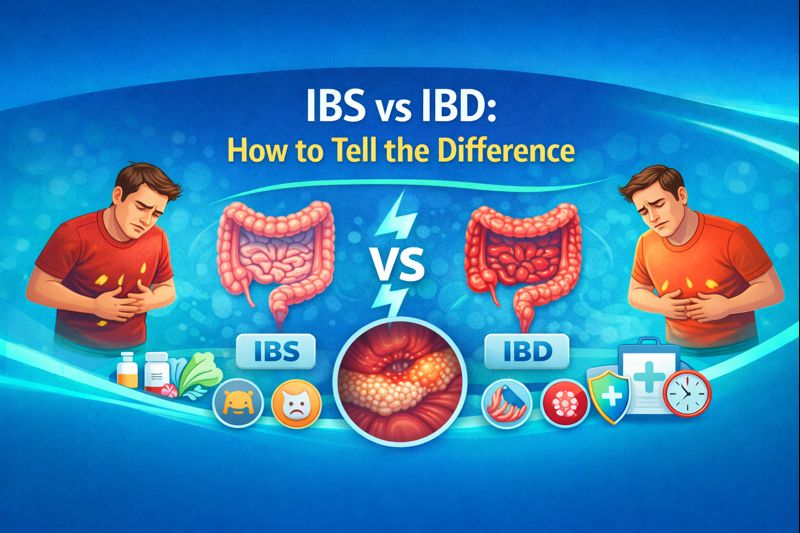
IBS vs IBD: How to Tell the Difference Gastroenterology Many patients confuse IBS with IBD, but they are very different conditions. IBS (Irritable Bowel Syndrome) Functional disorder No structural damage Managed with diet and lifestyle IBD (Ulcerative Colitis & Crohn’s Disease) Chronic inflammatory disease Requires medical and sometimes surgical care Why Proper Diagnosis Matters IBD needs long-term monitoring to prevent complications. Consult a gastroenterologist in Mysore for accurate evaluation of chronic bowel symptoms.
Gallbladder Stones: When Is Surgery Needed?
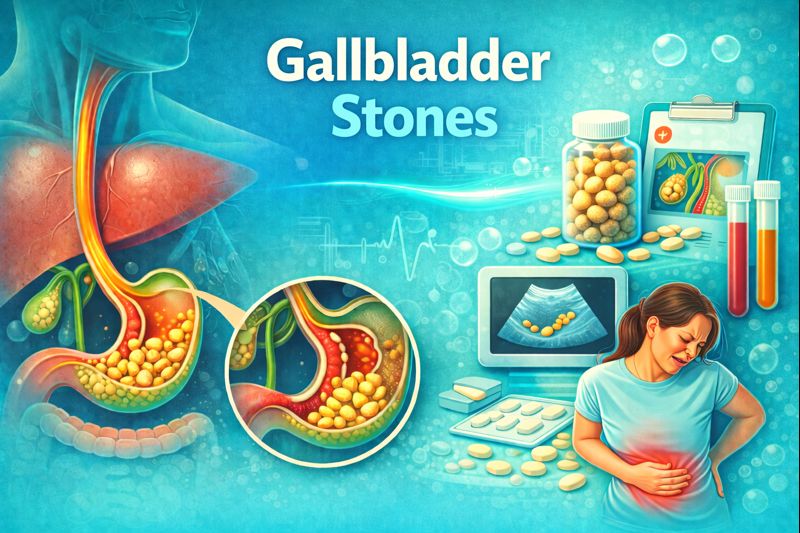
Gallbladder Stones: When Is Surgery Needed? Gastroenterology Gallstones are commonly detected incidentally but may require surgery in many cases. Symptoms Sharp pain during or after passing stools Bleeding on toilet paper Fear of bowel movements Common Causes Hard stools and constipation Chronic diarrhoea Excessive straining Treatment Options Stool softeners and dietary changes Local medications Surgery in chronic cases When Is Surgery Needed? If symptoms persist beyond 6–8 weeks despite treatment, surgery may be advised. Early consultation with a colorectal surgeon in Mysore can prevent chronic fissures and prolonged pain.
Difference Between Piles, Fissure and Fistula
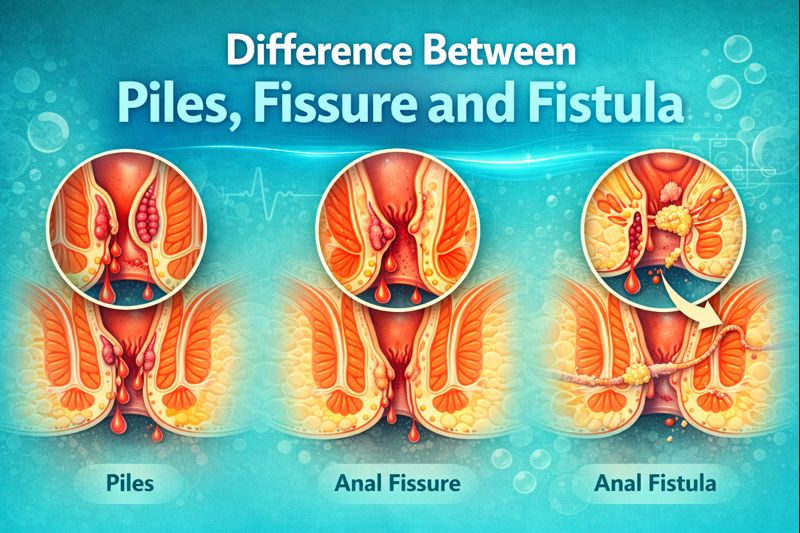
Difference Between Piles, Fissure and Fistula Gastroenterology These three conditions are often confused but are very different. Piles Swollen veins causing bleeding and discomfort. Fissure A painful tear causing severe pain during stools. Fistula An abnormal tunnel between the anus and skin, often with discharge. Why Correct Diagnosis Matters Treatment varies significantly for each condition. Dr Nikhil Nanjappa offers accurate diagnosis and targeted treatment for all anorectal conditions in Mysore.
Anal Fissure: Causes, Symptoms and Effective Treatment
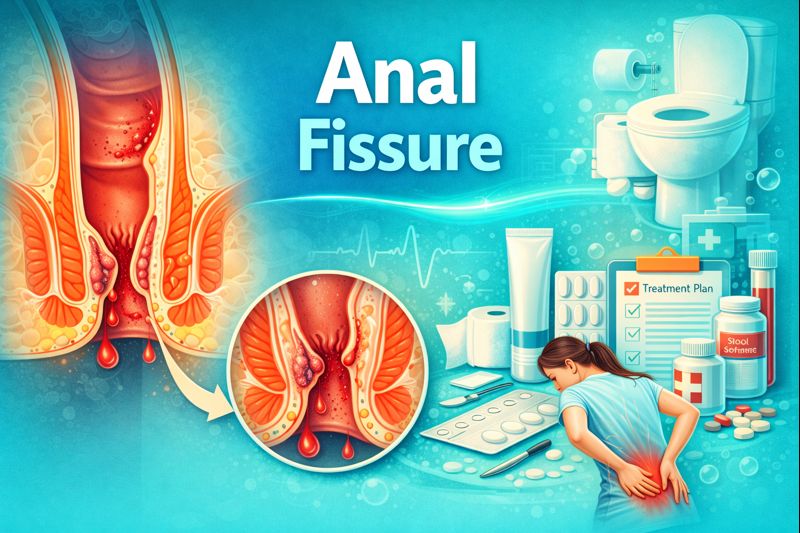
Anal Fissure: Causes, Symptoms and Effective Treatment Gastroenterology An anal fissure is a small tear in the anal lining that causes severe pain during bowel movements. Symptoms of Anal Fissure Sharp pain during or after passing stools Bleeding on toilet paper Fear of bowel movements Common Causes Hard stools and constipation Chronic diarrhoea Excessive straining Treatment Options Stool softeners and dietary changes Local medications Surgery in chronic cases When Is Surgery Needed? If symptoms persist beyond 6–8 weeks despite treatment, surgery may be advised. Early consultation with a colorectal surgeon in Mysore can prevent chronic fissures and prolonged pain.
Piles (Haemorrhoids): Symptoms, Stages and Modern Treatment Options
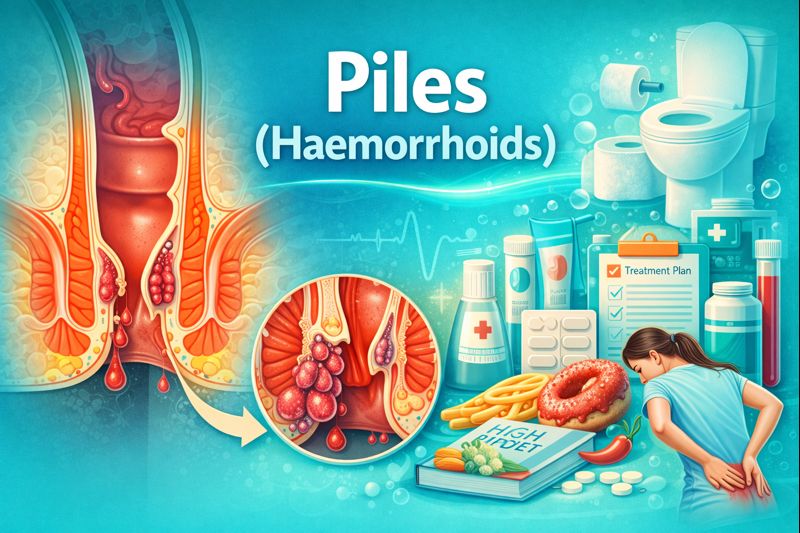
Piles (Haemorrhoids): Symptoms, Stages and Modern Treatment Options Gastroenterology Piles are one of the most common yet misunderstood anorectal conditions treated by colorectal surgeons in Mysore. What Are Piles? Piles are swollen blood vessels in the anal canal that may cause pain, bleeding or discomfort. Common Symptoms Bright red bleeding during stools Pain or itching around the anus Swelling or lump near the anus Stages of Piles Grade 1: Bleeding only Grade 2: Prolapse but reduce spontaneously Grade 3: Require manual reduction Grade 4: Permanently prolapsed Treatment Options Diet modification and medications Office procedures Laser or surgical treatment for advanced piles Is Surgery Always Required? No. Early-stage piles can often be treated without surgery. When to See a Piles Specialist in Mysore Any bleeding per rectum should be evaluated to rule out serious causes. Consult Dr Nikhil Nanjappa, Colorectal Surgeon in Mysore, for safe and effective piles treatment.
Fatty Liver Disease: Causes, Stages and Can It Be Reversed?
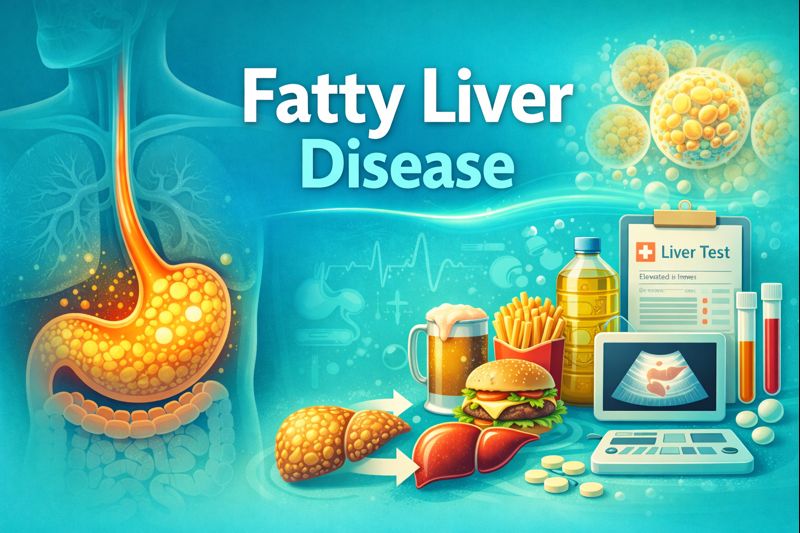
Fatty Liver Disease: Causes, Stages and Can It Be Reversed? Gastroenterology Fatty liver disease is increasingly common in Mysore and Coorg due to sedentary lifestyles and dietary habits. Early detection can completely reverse the condition. What Is Fatty Liver Disease? Fatty liver occurs when excess fat accumulates in liver cells. It may be alcoholic or non-alcoholic (NAFLD). Symptoms Most patients are asymptomatic. Some may experience: Fatigue Right-sided abdominal discomfort Indigestion Stages of Fatty Liver Simple fatty liver Fatty liver with inflammation Fibrosis Cirrhosis How Is Fatty Liver Diagnosed? Blood tests Ultrasound abdomen Fibroscan to assess liver stiffness Can Fatty Liver Be Reversed? Yes, especially in early stages, with: Weight reduction Dietary changes Exercise Control of diabetes and cholesterol When to See a Liver Specialist in Mysore If fatty liver is detected on scan or blood tests are abnormal, early consultation is essential. Dr Nikhil Nanjappa provides structured fatty liver evaluation and Fibroscan-based monitoring in Mysore.
Acidity and Acid Reflux: Causes, Symptoms and Treatment in Mysore
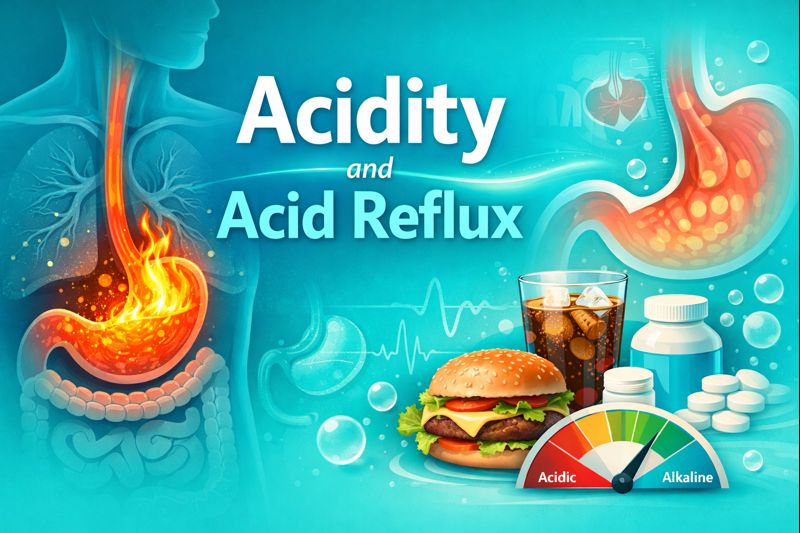
Acidity and Acid Reflux: Causes, Symptoms and Treatment in Mysore Gastroenterology Acidity and acid reflux are among the most common digestive problems seen by a gastroenterologist in Mysore. While occasional acidity is common, frequent or persistent symptoms may indicate gastro-oesophageal reflux disease (GERD) and should not be ignored. What Is Acid Reflux? Acid reflux occurs when stomach acid flows backward into the food pipe (oesophagus), causing irritation and a burning sensation. Common Symptoms Burning pain in the chest or throat Sour or bitter taste in the mouth Bloating and excessive gas Nausea Chronic cough or throat clearing Causes of Acid Reflux Irregular meal timings Spicy, oily or fried foods Excess tea, coffee or carbonated drinks Obesity Smoking and alcohol Stress and poor sleep How Is Acid Reflux Diagnosed? Most cases are diagnosed clinically. If symptoms persist, tests may include: Upper GI endoscopy Blood tests Imaging when required Treatment Options Dietary and lifestyle modification Acid-reducing medications Treating associated conditions like hiatus hernia When to See a Gastroenterologist in Mysore Symptoms lasting more than 2–3 weeks Difficulty swallowing Unexplained weight loss Vomiting or blood in stools Consult Dr Nikhil Nanjappa, Consultant Gastroenterologist & Colorectal Surgeon in Mysore, for accurate diagnosis and long-term relief from acidity.